
When temperatures rise, so does pest activity. Summer brings the perfect mix of heat, moisture, and food sources that push insects closer to homes, and sometimes inside them. Understanding what’s normal seasonal activity and what signals a deeper issue can help you decide when simple prevention is enough and when professional pest control may be necessary.
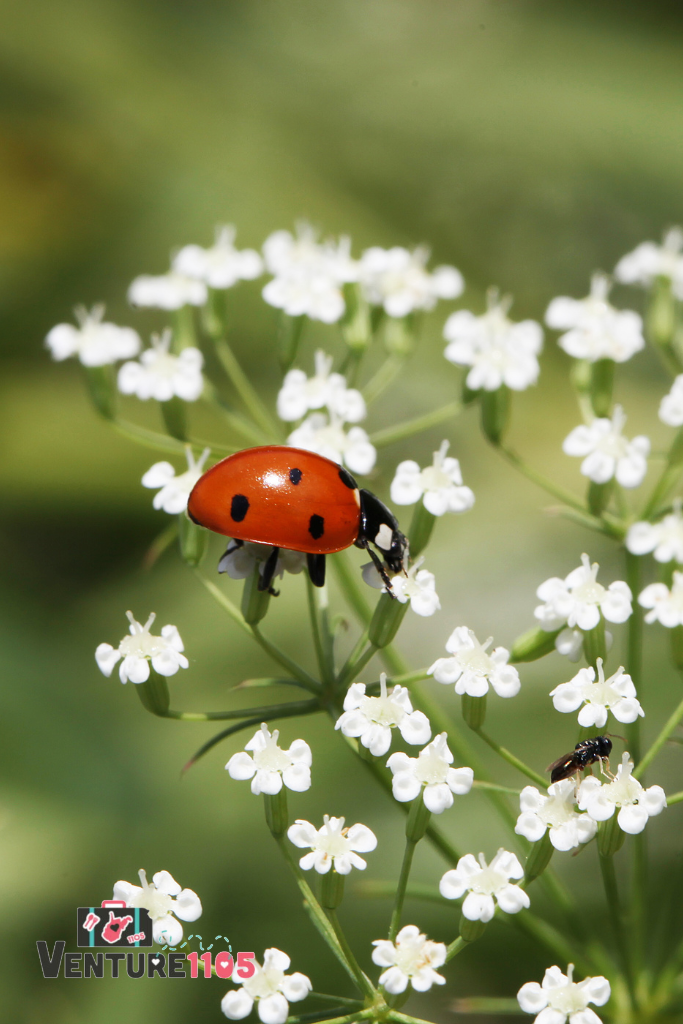
Why Are Pests More Active During The Summer?
Summer is peak season for pests because it checks every box on their survival list. Summer accelerates everything in an insect’s life cycle. Heat speeds up metabolism, which means summer insects eat more, move more, and reproduce faster. Insects are cold-blooded, so warmth makes them more active; what might take weeks in cooler weather can happen in days during peak heat.
Food is everywhere. Gardens, trash bins, pet bowls, and outdoor cookouts create an all-you-can-eat buffet for summer bugs. Moisture is easier to find, too; irrigation systems, AC condensation, summer storms, and humidity create ideal breeding conditions for summer pests. Longer daylight extends foraging time, increasing activity among common summer bugs.
By mid-summer, population pressure builds. Colonies are larger and competing for resources. When food, water, or nesting space gets tight outdoors, summer insects expand their territory, and that’s when homes become attractive.
In short, summer isn’t just “bug season.” It’s breeding and expansion season for bugs in summer. That’s why what starts as “just a few summer bugs” in June can turn into a real issue by August, and why homeowners often end up calling an exterminator later in the season if early signs are ignored.
Which Insects Are Most Prevalent During The Summer Months?
The heavy hitters most homeowners see include ants (especially pavement ants and carpenter ants), mosquitoes, flies (house flies and fruit flies), wasps and hornets, cockroaches, spiders, stinging insects, and termites, whose swarming season often begins in late spring and continues into summer.
These are some of the most common summer bugs homeowners deal with each year. The most common summer pests typically fall into four groups: foragers like ants, cockroaches, and flies that enter homes searching for food or water; breeders like mosquitoes and drain flies that multiply quickly in standing water or humid areas; nest builders like wasps, hornets, and yellowjackets that construct nests around eaves, soffits, and shrubs; and wood-damaging insects like termites and carpenter ants that are especially active during warm months.
In many areas, mosquito and ant populations explode first. Ants and mosquitoes usually spike early, and as temperatures climb into mid-summer, flies and stinging summer insects become more aggressive and visible.
Which Summer Bugs Are Normal Around Your Home
Seeing a few summer bugs doesn’t automatically mean you have a problem. Some pest activity in summer is completely normal. A couple of ants scouting your kitchen, the occasional spider in a corner (or garage), flies that wander in when doors open, and outdoor mosquitoes at dusk are typical seasonal patterns of bugs in summer, though repeated sightings may signal the need for targeted spider control.
What’s considered normal is random, isolated, and occasional activity.
What’s not normal is repetition. Seeing the same summer insects daily, in the same location or in multiple rooms, or noticing them during the daytime when they’re typically nocturnal (like roaches) suggests the issue is developing beyond normal seasonal presence. Frequency is the real red flag with summer pests.
When Bugs In Summer Become A Real Problem
Summer pests become a problem when they shift from passing through to settling in. Bugs in summer become a real problem when they move from passing through to nesting and reproducing inside or directly around the home.
Watch for repeated sightings of summer insects in house areas over several days, visible trails (especially with ants), droppings in cabinets or drawers, buzzing inside walls (possible wasp nest), damage to wood or insulation, or hollow-sounding trim. Increased activity despite cleaning is another warning sign.
Once summer bugs start nesting or breeding inside, you’re no longer dealing with a nuisance, you’re dealing with an infestation in progress. The shift from occasional to predictable activity is what signals a growing infestation of common summer bugs.
Why Summer Insects In House Appear
They don’t actually appear “suddenly.” They’ve usually been building up outside first. In most cases, the appearance of summer insects in house spaces isn’t sudden, the conditions changed. Often, you’re seeing the first visible signs of a population of summer pests that’s been growing unnoticed nearby.
Common triggers include heat waves driving summer insects indoors for cooler air, heavy rain flooding ground nests or pushing insects out of soil, and drought forcing bugs in summer to search for water. AC condensation lines can create moisture near foundations, while ripened fruit, trash, or pet food attract foragers. Small cracks around doors and windows, sometimes widening from heat expansion, make entry easier for common summer bugs.
Summer pests respond quickly to environmental changes. When their outdoor habitat becomes unstable, they look for consistent shelter, and homes provide it.
Signs Common Summer Bugs Are Turning Into An Infestation
Infestations rarely start dramatically. They start quietly, then snowball. Early infestations of summer insects are often behavioral before they are visible, and subtle changes in activity patterns are often the first clue.
Look for increased daytime activity, especially from normally nocturnal pests like roaches, and ants traveling in direct, repeated lines. Droppings (tiny black specks in drawers or cabinets), shed wings near windowsills (termite swarmers), and mud tubes along foundation walls are common warning signs of summer pests. Small piles of sawdust near baseboards (carpenter ants), gnaw marks or hollow-sounding wood, nests in eaves, attics, or shrubs, persistent buzzing inside walls or behind drywall, and musty or unusual odors in cabinets can also signal a growing problem with summer insects in house areas.
Which Summer Pests Threaten Your Health Or Property
Not all summer bugs are just annoying. Some are legitimately risky. Some summer pests pose health risks, others threaten structural integrity.
Health risks include mosquitoes, which can transmit West Nile virus and other illnesses; cockroaches, which spread bacteria and trigger asthma; ticks, which carry Lyme disease and other illnesses; and wasps and hornets, which are dangerous for anyone with allergies. These common summer bugs are more than just seasonal nuisances.
Property risks include termites, which cause billions in structural damage annually; carpenter ants, which hollow out wood; and rodents (often active in summer too), which chew wiring and insulation.
The biggest financial risks are usually termites and carpenter ants because damage can go unnoticed for months. The most financially damaging summer pests are often the least visible, and structural pests can cause extensive harm before homeowners notice activity.
How To Prevent Summer Bugs Before They Spread
Prevention is about cutting off what summer bugs need: food, water, and shelter. Most infestations of summer insects start outside, and exterior maintenance is your first line of defense, often more impactful than indoor cleaning alone.
Here’s what actually works: seal entry points by caulking cracks, replacing worn weather stripping, and repairing damaged or torn window screens to keep summer insects in house problems from starting. Eliminate moisture by fixing leaky hoses and faucets, cleaning gutters, redirecting downspouts away from the foundation, checking AC drainage, and avoiding overwatering landscaping near the foundation.
Control food sources by storing pantry items in airtight containers, cleaning spills immediately, taking trash out regularly, and avoiding leaving pet food out overnight. Maintain your yard by trimming shrubs away from the house, removing wood piles near siding, keeping grass cut short, and positioning outdoor lights away from entry doors to reduce attraction of common summer bugs.
When Summer Insects In House Require Professional Help
Call a professional when DIY treatments aren’t reducing activity, you see termites or termite swarmers, especially since a licensed termite exterminator is typically required to properly assess and treat structural infestations, wasps build nests near doors or rooflines, you find roaches during the day, the problem spreads from one room to several, or you suspect structural damage from summer pests.
If reproduction is happening inside walls or structural voids, surface treatments rarely solve the problem. The earlier you intervene with persistent summer insects in house situations, the easier (and cheaper) it is to resolve. Waiting until late summer often means you’re dealing with multiple generations of summer bugs, not just one. Early professional evaluation typically prevents more extensive and expensive damage later.
I’ve tried a few different sites, butwebsite is definitely one of my favorites so far. The matching system actually makes sense, and I’ve met some really interesting people from all over. It feels safe, the profiles are detailed, and the support is actually responsive if you need anything. If you’re serious about finding a real connection this year, this is the place to be.
Summer bugs really are one of those things people notice more when the heat kicks in. A few ants or the occasional fly is just part of the cycle, but repeated sightings indoors is when it starts to feel like something bigger is going on. Once insects start nesting, it’s a lot harder to deal with. On a related note, it’s interesting how much environment and even local services can influence what we see around our homes. For example, places like https://www.gramercybestbarbers.nyc/ show how urban spaces can stay active and well-kept even in peak summer conditions – different setting, but same idea of maintenance making a big difference in how things feel and function seasonally.
With warmer weather, it’s common to see more insects around homes, especially mosquitoes, ants, flies, and other seasonal bugs. Keeping living spaces clean, reducing standing water, using window screens, and maintaining proper ventilation can help minimize the problem.
However, a sudden increase in pests or signs of an infestation may require professional pest-control assistance.
What summer bugs do you usually see around your home, and what methods work best for keeping them away?
Interested in premium residential properties in Delhi-NCR?
Explore Gaur Alaris: https://www.gaur-alaris.com/
Contact: 72-9009-9009