
The final school bell usually means long, sunny days, family trips, and a welcome break from homework and strict schedules. For parents, summer is a perfect chance to reconnect with their kids and make lasting memories. But this long break can also bring a common challenge we call the “summer slide.”
That’s when students lose some of the academic skills they picked up during the school year. The good news? You don’t need to turn your home into a classroom to stop this backslide. With a mix of fun, a little structure, and smart use of local resources, you can keep your children’s minds active and engaged all summer long.
What Is Summer Learning Loss
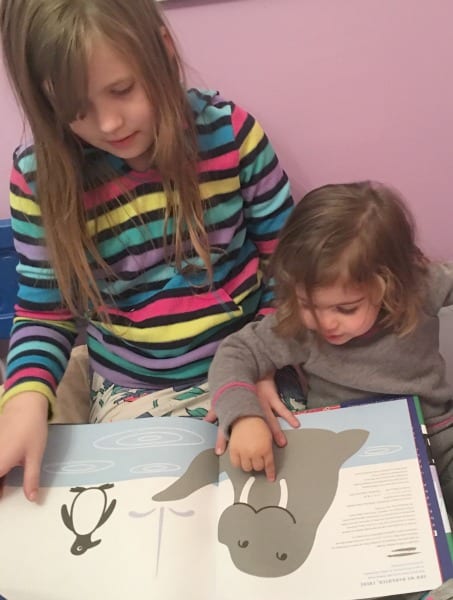
You know how kids can sometimes lose a bit of their academic edge over the summer? That’s what we call “summer learning loss” or the “summer slide.” It happens when kids aren’t regularly practicing skills they learned in subjects like math and reading. Parents can find simple ways of getting their kids into reading to keep those skills fresh, even during the summer break. It’s not about how smart a child is; it’s just a natural thing that happens when you take a long break from practicing. Think of it like a muscle: if you stop exercising it, it loses some strength.
Studies show these effects can build up over time, with losses from one summer adding to the next. For example, extensive summer learning research found that students can lose up to two months of grade-level math skills during the summer. Reading skills can also take a hit, especially for kids from lower-income families who might not have as many books or enriching activities around.
What this means is that teachers often have to spend the first few weeks of the new school year going over old material instead of introducing new stuff. This can set the pace for the whole year, affecting not just one child but the entire class. Realizing that this “slide” is a real thing, and we can actually measure it, is the first step to actively preventing it.
Fun Activities for Kids
Keeping kids learning doesn’t have to feel like a chore. The best way to keep their brains buzzing is to weave learning into everyday fun and exploration. These activities teach important skills like critical thinking, how to measure things, and reading, all without a single worksheet.
- Kitchen Creations: Cooking and baking are awesome hands-on lessons in math and science. Let your kids help read recipes, measure ingredients (hello, fractions!), and watch how heat changes food. Doubling a cookie recipe or cutting a pizza into equal slices becomes a real-world way to use their school skills.
- Gardening and Nature Exploration: Try starting a small container garden on your patio or a little plot in the backyard. Kids learn about biology, responsibility, and how plants grow. When you go for walks, encourage them to spot different types of trees, birds, or bugs. A nature journal where they can draw or write about what they find is a cool way to mix science with art and writing.
- Board Games and Puzzles: Family game night is a super powerful learning tool. Games that involve strategy, like chess or Settlers of Catan, help build critical thinking and planning skills. Games with money teach financial smarts, while word games like Scrabble or Boggle boost vocabulary and spelling. Puzzles are fantastic for developing spatial reasoning and problem-solving.
- Creative Building: Get out the LEGOs, building blocks, or even a stack of cardboard boxes. These activities encourage engineering skills, creativity, and understanding of space. Challenge your child to build the tallest tower they can, or a bridge that can hold a small toy.
By adding these activities to your summer, you create a home where curiosity is celebrated and learning just happens naturally.
Structured Learning at Home
While free play is super important, a little bit of focused academic time can be really helpful, especially for working on specific skills. This doesn’t mean hours of drills. Just 20-30 minutes a day, a few times a week, can make a big difference and help prevent the summer slide. The trick is to keep it consistent, short, and positive.
One easy way is to use age-appropriate workbooks that review what they learned last year. Let your child pick them out; it gives them a sense of ownership. Another popular choice is educational apps and websites that turn learning into a game. Many platforms offer personalized learning paths that adjust to your child’s skill level, making practice more effective and fun.
If your child is struggling or falling behind in certain subjects, they might need more personalized help. If you’ve noticed your child has trouble understanding what they read or with phonics, you might want to look for professional help with reading to tackle those specific challenges before school starts again. A one-on-one approach can really build confidence and turn a weak spot into a strength. The goal of structured learning isn’t to copy school, but to offer a light, steady boost to core skills, making sure your child feels ready and confident for the fall.
Building a Home Routine
Kids thrive on routine, and summer is no different. While the schedule can definitely be more relaxed than during the school year, having a predictable rhythm helps manage expectations and cuts down on arguments about screen time. A good summer routine should include time for playing, learning, chores, and resting.
Work with your kids to create a daily or weekly schedule. When they have a say in planning, they’re much more likely to stick with it. You can use a big whiteboard or chart paper to draw it out visually. Here’s a sample structure you could adapt:
- Morning: After breakfast, set aside some time for quiet activities. This could be your designated “learning time” for reading, workbooks, or educational apps.
- Late Morning/Afternoon: This is the perfect time for active and creative play. Head to the pool, the park, or just get outside in the backyard. This is also a great slot for planned outings or playdates.
- Late Afternoon: As energy levels start to dip, move to quieter indoor activities. This could be screen time, board games, or time for a creative project.
- Evening: Family time can include cooking dinner together, a family walk after the meal, or reading a book aloud before bed.
The idea isn’t to plan every single minute, but to give the day a nice flow. A routine helps prevent summer learning loss by making sure activities like reading are a regular part of each day, not just an afterthought. But remember to be flexible — it’s summer, after all! If a spontaneous trip for ice cream comes up, go for it. The routine is a guide, not a strict rulebook.
Using Libraries and Resources
Your local library is one of the most amazing and often overlooked resources for summer learning. Libraries are lively community hubs that offer so much more than just books, and almost everything they have is free. Try to make a weekly trip to the library a part of your summer routine.
Most libraries run a summer reading program with themes, activities, and prizes to encourage kids to keep turning pages. These programs are a fantastic way to spark a love for reading and help children discover new authors and genres. Beyond books, libraries offer computers and internet access, which can be a huge help for families without reliable access at home. Many also lend out movies, audiobooks, and even museum passes.
Check your library’s calendar for free workshops and events. You might find coding classes for kids, author visits, craft sessions, or science demonstrations. These programs offer enriching experiences and a chance for kids to socialize with peers in a positive, learning-focused environment. If you’re not sure where your nearest branch is, you can use online tools to find local libraries and see what they offer.
Summer is a time for kids to relax and recharge, but it’s also a great chance for them to grow. By balancing fun activities with a light structure and using community resources, you can help ensure your child goes back to school in the fall feeling confident, refreshed, and ready to learn.
Leave a Reply