
A comfortable home supports the way your family actually lives, from quiet mornings in the kitchen to busy evenings in shared spaces. Yet comfort can vary from room to room and person to person. Sunlight, airflow, furnishings and daily routines all affect how a space feels. Instead of applying one setting or design idea everywhere, create distinct comfort zones that respond to each area’s purpose.
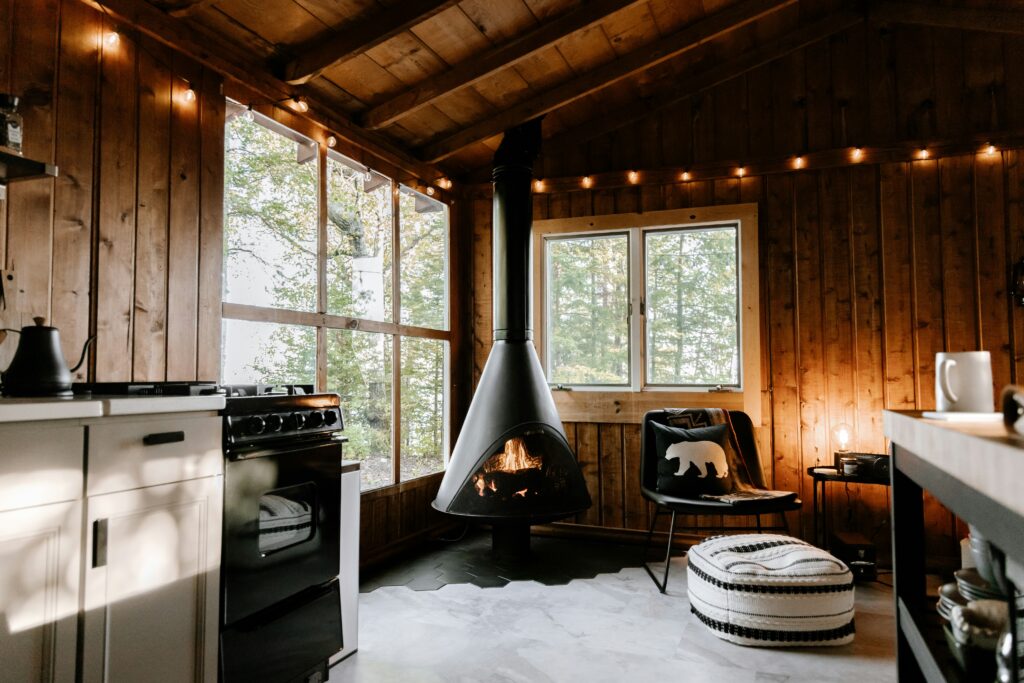
Understanding Home Hot Spots
Start by identifying the rooms that become too warm, too cool or generally uncomfortable. An upstairs bedroom may trap heat in the afternoon, while a basement office stays chilly throughout the day. Large windows, limited insulation and heat-producing appliances can all contribute to these differences.
Keep a simple room log for three days. Note the temperature, time and weather whenever discomfort appears. Also record glare, drafts and noise. These observations reveal patterns that a thermostat in the hallway may miss. The principles behind home design and well-being can also help you consider how lighting, layout and visual clutter shape your experience of a room.
Design for Individual Needs
Match each zone to the person using it most often. A child’s bedroom may need blackout curtains and steady airflow for sleep, while a home office benefits from task lighting and a temperature that stays consistent during work hours. In a shared living room, lightweight throws and an adjustable ceiling fan give family members easy options.
For areas with persistent temperature differences, homeowners who are comfortable with home projects may consider installing quick-connect mini-split systems. These heating and cooling systems use pre-charged line sets and are designed for DIY installation without an EPA license. Single-zone and dual-zone options can serve rooms with different schedules or comfort needs.
Flexible Climate Control Options
Use the least complicated solution that solves the problem. Thermal curtains can reduce afternoon heat near sunny windows, while weatherstripping helps address drafts around doors. A ceiling fan can improve air circulation, though it cools people through moving air and doesn’t lower the room’s actual temperature.
If several rooms feel uncomfortable at the same time, check for blocked vents and dirty filters before changing equipment. Furniture placed over a vent can disrupt airflow across an entire room. Programmable controls also help match heating and cooling to your routine. Set occupied rooms for comfort during active hours, then reduce energy use when those spaces are empty, or everyone is asleep.
Maximizing Comfort
Temperature is only one part of a comfortable room. Soft lighting, supportive seating and manageable noise levels can make the same space feel calmer and more inviting. Choose warm bulbs for bedrooms and living areas, then use brighter task lighting at desks or kitchen counters.
Textiles also help. A washable rug softens hard flooring, lined curtains reduce glare, and cushions can improve a chair that looks good but feels stiff. For more practical ideas, these ways to improve home comfort cover everyday details that are easy to overlook. Keep walkways open and place frequently used items within reach so the room works without constant rearranging.
Minimizing Fuss
Comfort zones should be easy to maintain after the initial setup. Group controls in logical places, label remote controls if several look alike, and store seasonal throws close to the rooms where you use them. Wash HVAC filters or replace disposable ones according to the equipment manufacturer’s schedule.
Review each zone when the seasons change. A room that feels perfect in spring may need a different curtain position or fan direction in winter. This guide to bringing comfort home offers further ideas for balancing temperature and everyday livability.
Small adjustments often reveal what a room truly needs. Once the sunny bedroom has better shade or the basement workspace has targeted temperature control, comfort becomes part of the home’s normal rhythm instead of another chore.
Leave a Reply