
Summer cooling costs often rise because sunlight heats windows, walls, and outdoor surfaces for hours at a time. Once that heat moves indoors, the air conditioner has to work longer to maintain a comfortable temperature. A few architectural upgrades can limit this heat before it reaches the living space. The best options also make patios more usable, reduce glare, and help indoor rooms feel comfortable throughout the afternoon.
Understanding Solar Heat Gain Through Windows
Windows admit visible light along with infrared energy that raises indoor temperatures. Large west-facing panes can be especially troublesome because they receive intense afternoon sun. Guidance on reducing solar heat gain points to solutions such as specialized window films, solar screens, and exterior shading.
Start by identifying rooms that become noticeably warmer between noon and sunset. Close-fitting shades can help, but exterior solutions stop more energy before it crosses the glass. Solar screens, awnings, and shade trees can all reduce exposure. When replacement windows are practical, compare solar heat gain coefficient ratings. A lower number indicates that less solar energy passes through the window.
Glare matters too. Rutgers offers practical information on glare and heat reduction, including the relationship between window orientation and occupant comfort. Selective shading can preserve daylight while keeping bright reflections off televisions, work surfaces, and dining areas.
Strategic Exterior Shading Makes a Measurable Difference
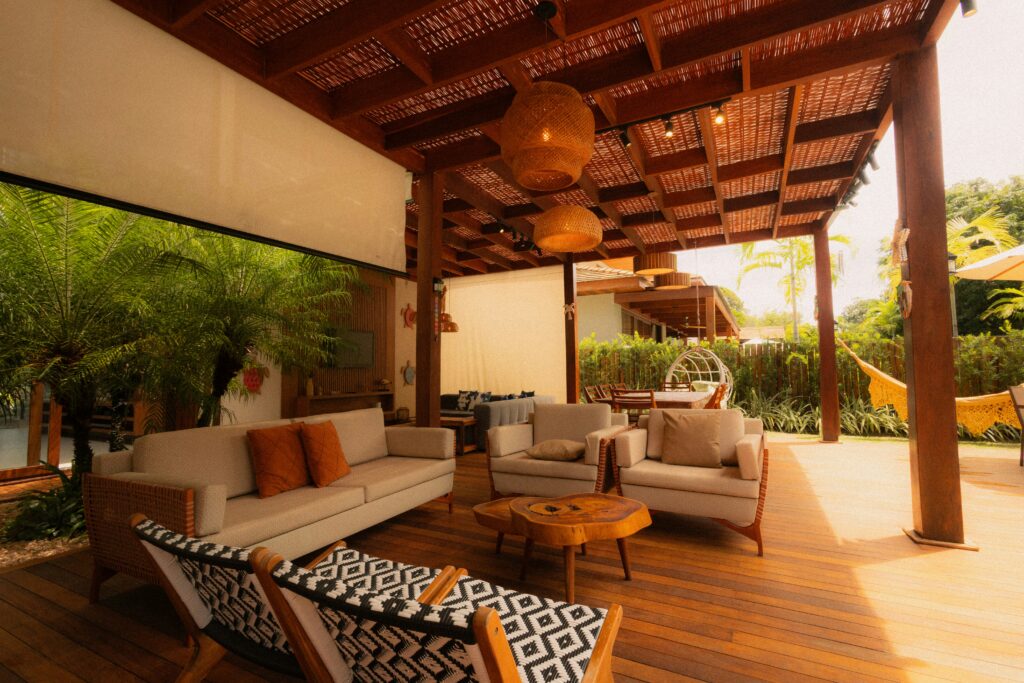
Exterior shade protects more than windows. It can keep doors, siding, and paved areas from storing heat that radiates toward the home later in the day. A well-positioned patio cover may also shade an adjoining kitchen or family room, lowering the temperature near those exterior walls.
Depth and orientation determine how well a cover performs, and south-facing areas often benefit from overhead shade that blocks high summer sun, a key consideration for home exterior jobs. West-facing patios may need a deeper cover or side screening to manage low afternoon angles. Homeowners in San Antonio and the Hill Country can review completed wood, aluminum, and insulated-panel structures from Diamond Decks when comparing attached and freestanding designs.
Before choosing dimensions, watch the shade line at several times during a sunny day. Note where direct light reaches windows at 10 a.m., 2 p.m., and 5 p.m. Those observations give a designer useful information and help prevent a cover that looks attractive but leaves the hottest glass exposed.
Insulated Overhead Materials vs Standard Roof Extensions
Overhead materials affect how much heat you feel beneath a patio cover. A basic single-layer metal panel blocks direct sunlight, yet its underside can become warm after several hours of exposure. The surface then radiates some of that heat toward the seating area.
Insulated panels contain a core between exterior layers. This core slows heat transfer and may help the covered space remain more comfortable during peak afternoon temperatures. It can also reduce the temperature of a wall or sliding door beneath the cover, which limits heat entering the home.
A standard roof extension may provide a closer visual match to the house and allow space for lighting or a ceiling fan. It usually requires more framing and careful integration with existing drainage. Compare the full assembly, including insulation, roof color, ceiling finish, and gutter placement. Light-colored upper surfaces generally absorb less solar energy than dark ones, though neighborhood rules and the home’s architecture may affect your choices.
Airflow Improvements That Keep Patios Cooler
Shade works best when warm air can escape. A patio enclosed on several sides may trap heat under the roof, especially when the ceiling is low. Open edges, higher rooflines, and vented peaks give rising air a path out. Even a modest gap between landscaping and the structure can improve cross-breezes.
Ceiling fans make people feel cooler through air movement, though they don’t lower the actual air temperature. Choose a damp-rated or wet-rated model suited to the patio’s exposure and size it for the covered area. Mounting height also matters. Fan blades need adequate clearance from the ceiling and should remain safely above occupied space.
Keep shrubs from blocking the prevailing breeze and avoid placing large storage cabinets along the most open side. If outdoor curtains provide late-day shade, tie them back when the sun moves away so air can circulate. These small adjustments make the covered space feel less stagnant without adding mechanical cooling.
A useful upgrade begins with an afternoon walk around the house. Look for bright sunlight on large windows, hot paving beside exterior doors, and patio areas where air seems trapped. Those specific trouble spots will show where shade, insulation, or better airflow can deliver the greatest summer benefit.
Leave a Reply