
Walking into a new rental for the first time brings a mix of excitement and a little bit of emptiness. The blank walls and generic fixtures don’t quite reflect who you are, making the space feel more like a temporary stopover than a true home. But transforming that impersonal apartment or house into a personal sanctuary doesn’t require a huge budget or permanent renovations. With a bit of creativity and some clever strategies, you can infuse your personality into every room and create a comfortable haven that feels entirely your own.
This guide offers practical tips for renters who want to go beyond just unpacking boxes. From simple decor swaps to smart storage and ambiance-setting tricks, you’ll find easy ways to make your rental feel less like someone else’s property and more like your personal home.
Personalizing Your Rental Space
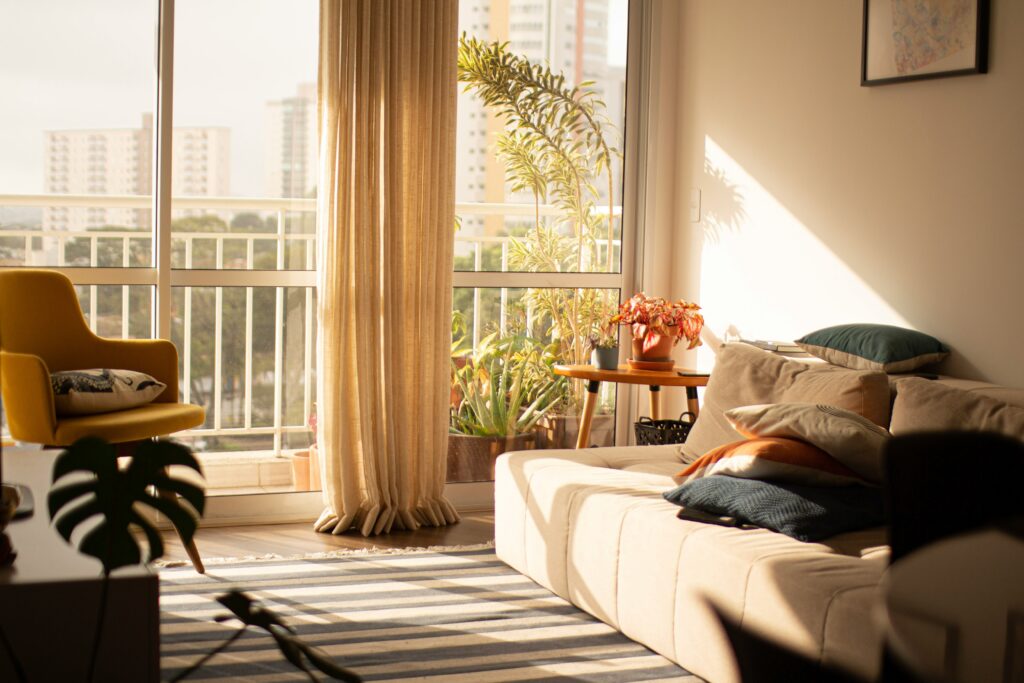
The easiest way to make a rental feel like home is by filling it with things that reflect your personality and style. While you might not be able to knock down walls or retile the bathroom, there are countless non-destructive ways to customize your space. Start by thinking about color and texture. A large, vibrant area rug can completely change the feel of a room, covering up less-than-ideal flooring and adding warmth. Similarly, swapping out standard-issue curtains for ones that match your aesthetic can soften a room and provide better light control.
Temporary wallpaper and wall decals are fantastic tools for renters. They can add a bold accent wall to a bedroom or a playful pattern to a hallway without damaging the paint underneath. When it comes to hanging art and photos, forget the hammer and nails. Adhesive strips and hooks are strong enough to hold most frames and can be removed cleanly when it’s time to move out. Another one of the best renter-friendly design hacks is to switch out hardware. Replacing generic cabinet pulls, doorknobs, or even light switch plates with more stylish options is a simple and reversible upgrade. Just be sure to store the original hardware in a labeled bag so you can easily swap it back before you leave. These small changes collectively make a rental feel like home by replacing generic elements with pieces that you chose.
Elevating Meal Times in Any Kitchen
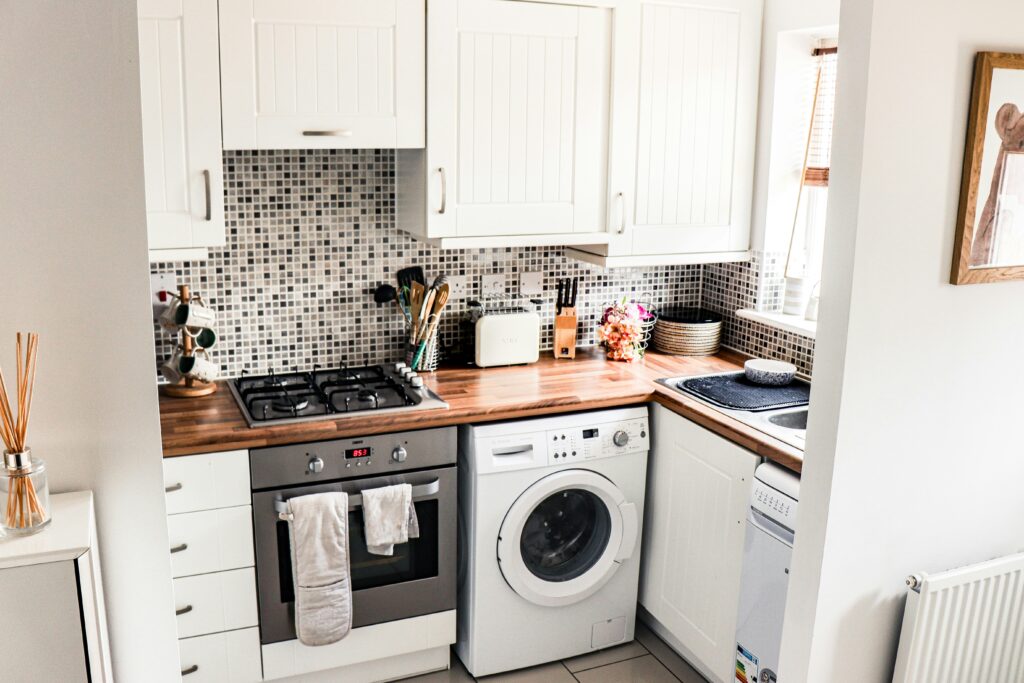
The kitchen is often called the heart of the home, and that holds even in a rental, where you can still add tasteful colors. A tiny, basic kitchen can feel uninspiring, but you can elevate your entire culinary experience with a few thoughtful touches. If your counter space is limited, consider a rolling kitchen cart or a small island. It provides extra prep area and storage, and you can take it with you when you move. Removable peel-and-stick backsplashes can add a pop of color or a sophisticated pattern, instantly upgrading the look of the room without any permanent commitment.
Beyond decor, focus on the experience of cooking and dining. Creating rituals around mealtime can make any space feel more special. This could mean investing in a nice set of dishes that you love using every day or starting a small indoor herb garden on your windowsill. You can transform a simple meal into a memorable event. Planning a special evening with high-quality ingredients, like ordering fresh Maine scallops for a seafood dinner, can make your rental kitchen feel like a gourmet restaurant. It’s not about the size or the fanciness of the appliances; it’s about the care and intention you put into the moments created there. Good food and good company can make any kitchen feel like the center of your world.
Smart Storage Solutions for Small Spaces
Clutter is the enemy of a peaceful home, and rental units are often short on storage. Getting creative with organization is essential for maintaining a calm and open environment. The key is to think vertically. Tall, narrow bookshelves or modular shelving units draw the eye upward and make a room feel more spacious while offering plenty of room for books, decor, and storage bins. Don’t forget the backs of your doors; over-the-door organizers are perfect for storing everything from shoes in the closet to cleaning supplies in the pantry.
Multifunctional furniture is a renter’s best friend. Look for pieces that do double duty:
- An ottoman with a removable top can hide blankets and magazines.
- A coffee table with drawers or a lower shelf keeps remotes and coasters out of sight.
- A bed frame with built-in drawers eliminates the need for a bulky dresser.
For items you don’t use daily, under-bed storage containers with wheels are perfect for stashing seasonal clothing, extra linens, or sentimental items. Maximizing every square inch helps you keep your living areas tidy and functional, which goes a long way toward making a small space feel like a comfortable and organized home.
Creating a Relaxing Ambiance
Ambiance is the intangible quality that turns a set of rooms into a sanctuary. It’s about how a space feels, smells, and sounds. Lighting is one of the most powerful tools for setting the mood. The harsh overhead lighting common in rentals can feel clinical and unwelcoming. Instead, rely on a layered lighting scheme using floor lamps, table lamps, and even string lights to create a cozy atmosphere. Use warm-toned LED bulbs to cast a soft, inviting glow throughout your home.
Scent also plays a huge role in our perception of a space. Find a signature scent for your home using candles, essential oil diffusers, or room sprays. A subtle fragrance of lavender, sandalwood, or citrus can make your home feel clean and calming the moment you walk in the door. Sound contributes to the vibe as well. A small Bluetooth speaker can fill your apartment with your favorite playlist, a relaxing podcast, or ambient nature sounds. Finally, bring the outdoors in. A few low-maintenance houseplants or a weekly bouquet of fresh flowers can breathe life into a sterile space, adding a touch of natural beauty and improving air quality. These sensory details work together to craft an environment that feels uniquely yours.
Maintenance Tips for Renters
Feeling comfortable in your rental starts with knowing how to handle minor issues. Before moving in, document existing damage with photos and notes to protect yourself when you move out.
Learn the basics, such as where the circuit breaker and main water shut-off valve are located. Knowing how to handle common rental repairs can save you time, but always keep your landlord or property manager informed. Report problems promptly, provide details and photos when possible, and communicate clearly and politely.
A little upkeep and a few personal touches can turn a generic rental into a comfortable place you’re happy to call home.
Leave a Reply