
Hosting a dinner party should be about enjoying good food and meaningful conversations, not worrying about cold rooms, last-minute cooking, or uncomfortable guests. When the heating feels inconsistent and too many tasks compete for your attention, even a carefully planned evening can become stressful. Discover how thoughtful menu planning, reliable home heating, and simple atmosphere-enhancing touches can help you create a warm, welcoming dinner your guests will remember.
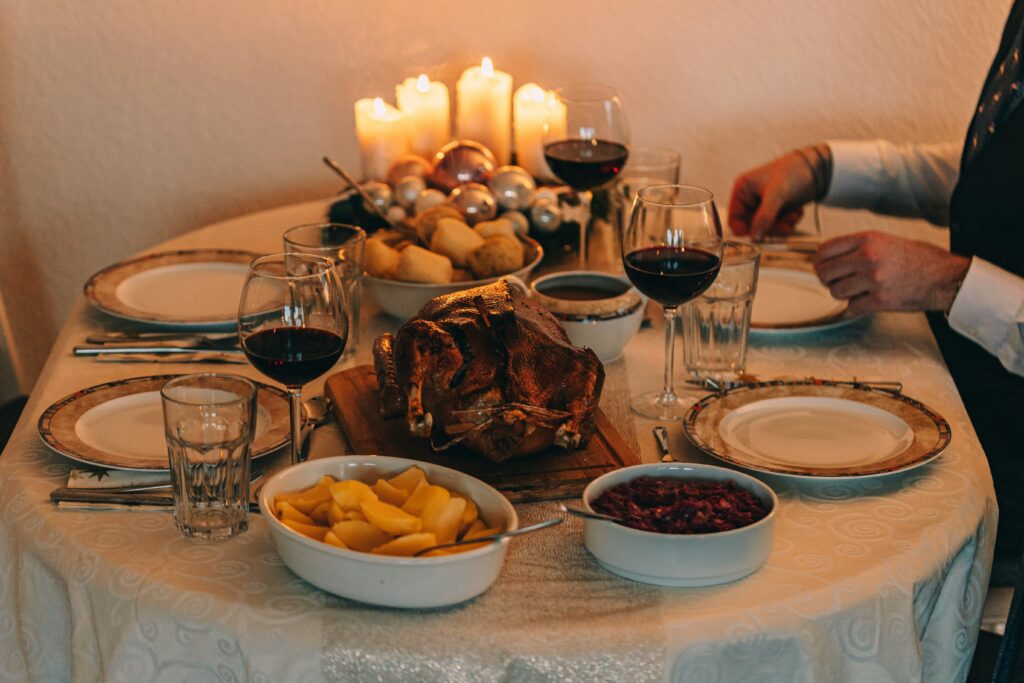
Crafting a Crowd-Pleasing Menu
Build your menu around one dependable main dish, then add sides that can be prepared early to save time and reduce stress. A braised entrée, baked pasta, or hearty vegetable dish stays forgiving if conversation delays dinner by 15 minutes. Choose dishes that appeal to different tastes and complement one another. Include a fresh salad or bright vegetable side to balance richer flavors, and ask about allergies or dietary needs when guests respond.
Avoid making every dish dependent on last-minute oven space. A chilled appetizer and room-temperature dessert will ease the pressure and allow you to spend more time enjoying your guests. Consider preparing sauces, dressings, and garnishes ahead of time so everything is ready when it’s time to serve. A well-planned menu makes hosting easier while ensuring everyone feels welcome and satisfied.
The Ambient Factor in Hospitality
Comfortable guests settle in, talk longer, and pay closer attention to the meal. Set the thermostat a little lower before everyone arrives because body heat, cooking, and an active oven can quickly warm a dining area. For most homes, adjusting it by a degree or two is enough.
Walk through the rooms guests will use and check for chilly corners, strong drafts, or stuffy air. If your heating system struggles to hold a steady temperature or makes unusual sounds, arrange furnace scheduling before the event instead of hoping the kitchen will compensate. A consistent indoor temperature supports the relaxed atmosphere you worked to create.
Where Oven Warmth Falls Short
An oven can make the kitchen feel cozy, but it can’t heat a home safely or evenly. Keep the oven door closed during cooking and turn it off once the food is done. Leaving it open can overheat the kitchen while the dining room remains cold, and it may create a serious household safety concern.
Plan for temperature differences in open layouts and older homes. Close unused doors, keep supply vents clear, and offer a comfortable place away from exterior doors for guests who get cold easily. If you’re using the oven for several dishes, stagger cooking times so the kitchen doesn’t become unpleasantly hot just as everyone gathers.
Lock In Reliable Heating Maintenance
Schedule routine heating maintenance before the busiest part of your entertaining season. A professional can inspect the system, identify worn components, and check whether airflow is reaching the rooms you use most. Homeowners should also replace or clean the HVAC filter according to the system manufacturer’s directions since a clogged filter can restrict airflow.
Do a simple test several days before your dinner. Set the thermostat to your preferred evening temperature and notice how long the home takes to reach it. Listen for rattling or repeated cycling, and compare the dining room with nearby spaces. Early testing leaves time to address a problem without adding a service call to your event-day checklist.
Lighting and Setting the Mood
Use several soft light sources instead of relying on one bright ceiling fixture. A dimmed pendant above the table, shaded lamps around the room, and flameless candles can create a warm look while keeping plates and walkways visible. Keep scented products subtle since strong fragrances compete with the aroma and flavor of food.
Small personal touches also give guests something to notice and discuss. Place cards, a seasonal centerpiece, or a simple conversation prompt can make the table feel considered. If you’re hosting on a budget, simple and affordable party decorations can help create a welcoming atmosphere without filling every surface. Once the lights are lowered and the room feels comfortable, bring out the first course and take your own seat.
Leave a Reply