
Smart home pest control combines early pest detection, useful alerts, and well-placed barriers to stop small problems from becoming expensive ones. Connected sensors can reveal activity in spaces you rarely inspect, while cameras and home automation routines help you confirm what triggered an alert. The best setup still includes basic maintenance, since technology can identify an entry point but can’t seal it.
A practical system starts with a few high-risk areas and expands only when the data shows a need. That keeps alerts manageable and avoids filling your home with devices that don’t provide useful information.
The Rise of Smart Pest Detection
Smart detection devices monitor motion, sound, temperature, or changes in a bait station. Some models send an alert through their own app, while DIY systems may connect to Home Assistant, Hubitat, or another home automation platform. Research into wireless sensor networks shows how connected monitoring can support pest management across larger spaces.
For homeowners exploring connected technology, smart-home automation offers a way to coordinate everyday systems and add useful sensors without making the setup unnecessarily complicated.
Placement matters more than device count. A motion sensor facing an open room may produce vague notifications, while one aimed along a wall can identify activity where pests commonly travel. In an attic or crawl space, pair the sensor with a camera to check whether an alert came from an animal, loose insulation, or shifting storage.
Integrating Sensors into Your Strategy
Start with one or two locations where you’ve seen droppings, nesting material, or disturbed food packaging. Give each sensor a clear name such as “garage north wall” and record activity for two weeks. Patterns often emerge quickly, including repeated alerts around dusk or after outdoor temperatures drop.
Automation enthusiasts can explore smart pest control projects for ideas involving low-cost sensors and custom notifications. Keep automations simple at first. A useful routine might turn on a nearby light, save a camera clip, and send one phone alert. Since these routines rely on connected devices and cameras, take steps to secure your connected devices with strong passwords and regular software updates.
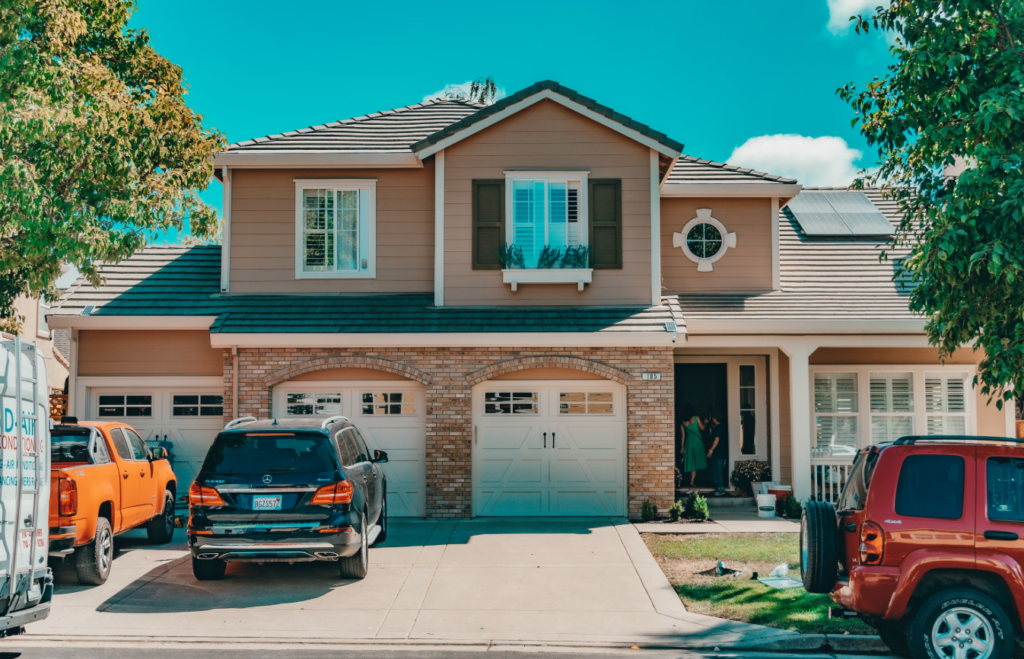
Birds nesting beneath rooftop solar panels can create problems that sensors alone cannot solve. Once activity is identified, physical exclusion can help prevent birds from accessing the gaps beneath the panels. A professional solar panel bird mesh installation can create a barrier around the panel perimeter while allowing homeowners to continue monitoring the surrounding area.
Physical Barriers: The Ultimate Defense
Sensors tell you where activity occurs, but physical exclusion closes the route. During daylight, inspect utility openings, vents, door sweeps, and gaps around pipes with a flashlight. Light visible from the other side often signals an opening that deserves attention.
Choose barrier materials based on the location. Fine mesh works around suitable vents, door sweeps close gaps beneath exterior doors, and weather-resistant sealant can address narrow cracks. Avoid blocking drainage paths or airflow around equipment.
After sealing an area, leave the nearby sensor active for at least two weeks. A sudden drop in alerts suggests the repair worked. Continued activity may point to another nearby entrance or an animal already inside, which calls for a professional inspection before you close more openings.
Smart Home for Wildlife Exclusion
Outdoor cameras can help identify wildlife routes near rooflines, decks and garden sheds. Set activity zones tightly around the area you need to watch, since trees, shadows, and passing traffic can create a flood of useless clips. If your camera supports animal recognition, treat the label as a clue and review the recording before acting.
Smart lighting can support monitoring too. A temporary automation that turns on an exterior light after camera activity gives you clearer footage without leaving the light on all night. Check local rules before changing exterior fixtures or installing barriers near shared property.
Review recordings weekly, then delete automations that no longer serve a purpose. A quiet dashboard is more helpful than dozens of ignored notifications.
Smart pest control works best when every alert leads to a specific observation or repair. Label your devices, keep a short activity log, and confirm that sealed areas stay quiet. If one sensor repeatedly flags the same roof edge, vent, or utility opening, that location has earned a closer physical inspection.
Wow, this is the first time I’ve heard about using smart home technology for pest prevention, and it’s really interesting! I recently bought my own house and quickly realized how difficult it can be to take care of everything on your own. While looking into new electronics to make home care easier, I recently came across shark uk phone number https://shark-uk.pissedconsumer.com/customer-service.html and started thinking about upgrading a few things around the house. The idea of using sensors and alerts to notice problems early sounds especially useful when there are so many areas to keep an eye on. I’ll definitely be looking into more smart home solutions like this!