
The flooring in a rental property does more than just cover the ground; it really sets the vibe for the whole place. For landlords and property managers, picking the right floor can help you snag better tenants, reduce how often people move out, and keep your investment safe.
While paint and fixtures are pretty easy to swap, flooring is a core part of the property that affects how appealing it is and how long it lasts. A smart choice can make your rental shine in a crowded market and lead to happier tenants.
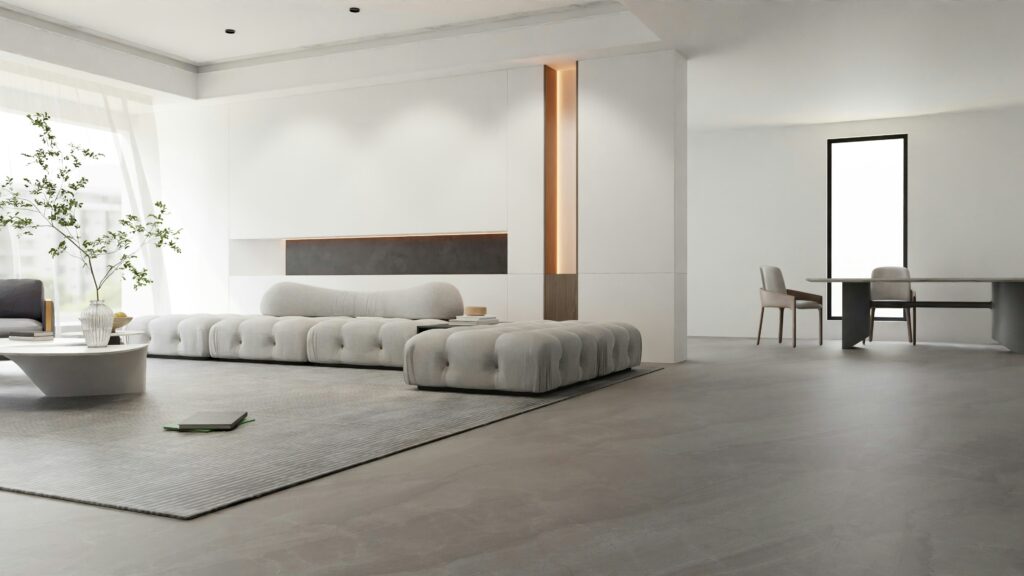
Why Flooring Matters for Rentals
When prospective tenants walk into a space, the flooring is often one of the first things they notice. If the floors look worn, stained, or just plain old, it can instantly give a bad impression, making them think the property isn’t well cared for. But clean, modern flooring sends a message of quality and attention, which helps you attract responsible tenants and justify your rent price.
The right surface can even make a small room feel bigger, a dark room brighter, and the whole unit feel more put-together and upscale. Think of investing in good flooring not just as an expense, but as a smart upgrade that truly adds value. Making smart flooring decisions helps both with how good your rental looks right away and its financial health down the road.
Durable Flooring for High Traffic
Rental properties certainly see a lot of action – moving furniture, constant foot traffic, pets, and spills. So, making durability a top priority is key to cutting down on repair and replacement costs between tenants. Materials like Luxury Vinyl Plank (LVP) and Luxury Vinyl Tile (LVT) are fantastic choices because they’re waterproof, tough against scratches, and can look just like expensive hardwood or stone.
Laminate is another strong contender that holds up well to daily use, though it’s best to pick options with good water resistance for spots like kitchens and entryways. When you’re looking at your home flooring options, try to find that sweet spot between what it costs upfront and how long it will actually last. Experts say some of the most durable flooring for high-traffic areas include engineered wood and porcelain tile, which offer great longevity if landlords are willing to spend a bit more initially.
Cost-Effective Updates for Tenants
You don’t have to spend a fortune to make a big difference. Lots of modern flooring materials give you that high-end look without the hefty price tag, offering a great return on your investment.
Sheet vinyl and laminate are classic budget-friendly picks that have seriously upped their game in terms of style and quality. They come in tons of patterns and colors, letting you create a fresh, updated vibe without the expense of natural materials.
Another clever trick for rentals is using carpet tiles. Unlike wall-to-wall carpeting, if just one tile gets damaged or stained, you can easily replace it without having to redo the whole room. This targeted approach saves a lot of time and money during turnovers, making it a super practical choice for bedrooms and living areas where tenants often appreciate a softer, warmer surface.
Easy Maintenance Flooring Solutions
Tenants really appreciate a home that’s easy to take care of, and low-maintenance flooring is a huge selling point. Surfaces you can clean quickly with just a sweep and a mop are perfect. Vinyl, sealed laminate, and tile are superstars in this department.
They resist stains and don’t need any special cleaning products or treatments, which is a big win for both the tenant’s convenience and your peace of mind as a landlord. Providing durable, easy-to-clean floors means less chance of damage and smoother turnovers. If you go with tile, choose larger sizes with thin, sealed grout lines to cut down on the scrubbing needed to keep them looking fresh.
Ultimately, picking the right flooring is a smart business move that boosts your property’s appeal and protects its value. A thoughtful update pays off big time with happier tenants, lower maintenance costs, and a better return on your investment.
Leave a Reply